
Spain
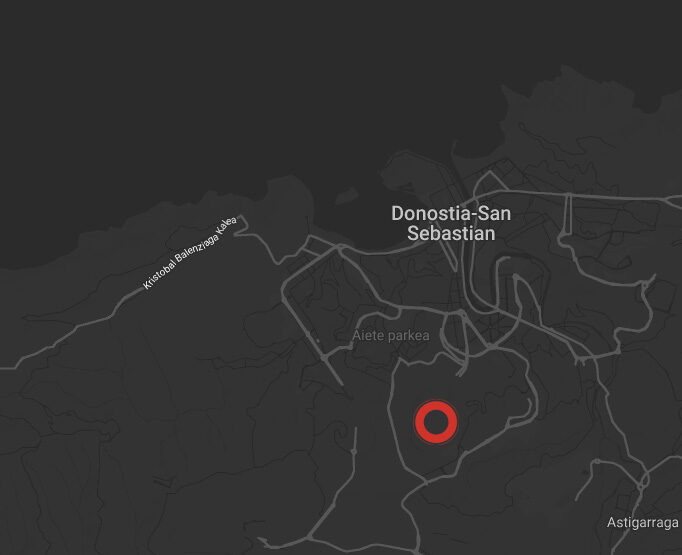
Paseo Mikeletegi, 71
20009 Donostia-San Sebastian, Spain
England
7 St. Johns Road, Harrow,
Greater London HA1 2EY, England

Saudi Arabia
Anas Ibn Malik, Riyadh
Al Malqa Dist., 13521

Singapore
Level 42-01, Suntec Tower 3,
8 Temasek Boulevard, Singapore 038988

USA
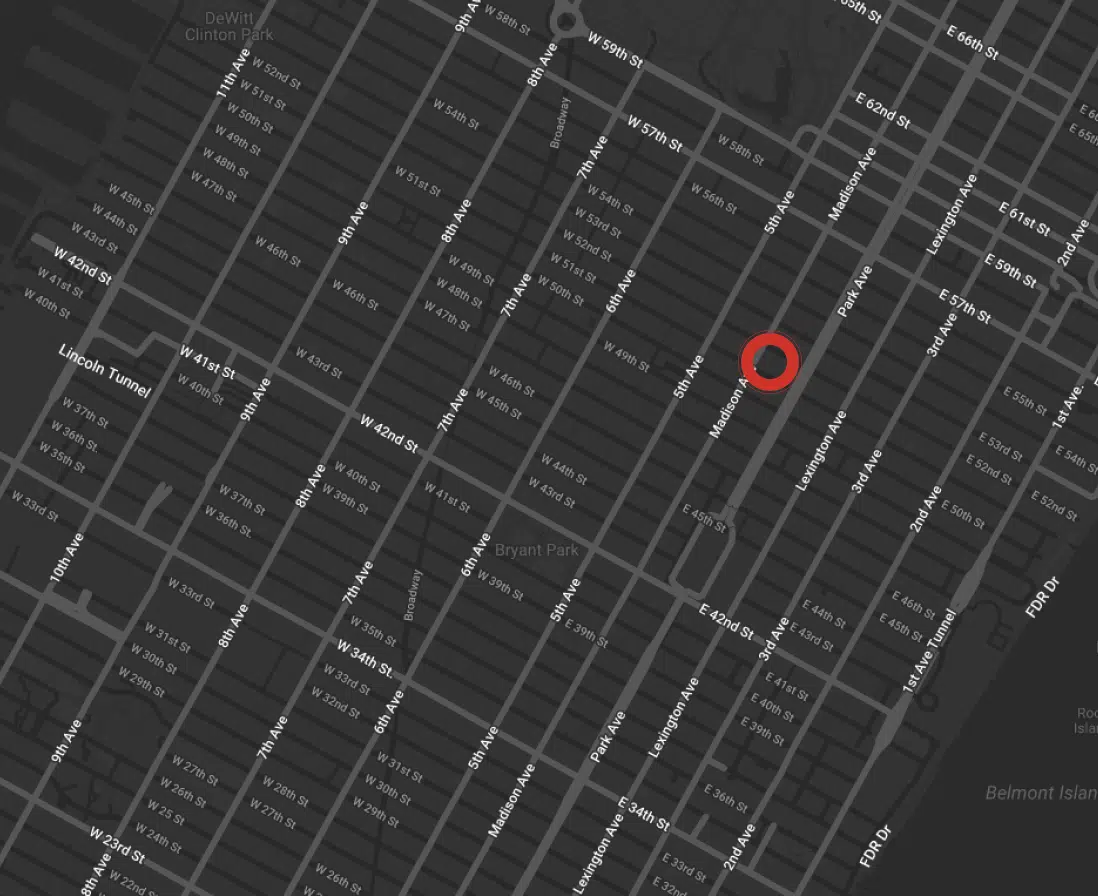
1177 6th Avenue, 5th Floor
New York, NY 10036, USA
Frequently Asked Questions (FAQ)
You can request a cybersecurity consultation by contacting CounterCraft through the website or speaking directly with a security specialist. The consultation focuses on understanding your environment, threat concerns, and detection gaps rather than pitching features. This helps determine whether deception-based detection is relevant to your risk profile and operational needs. Find out how deception powers preemptive cybersecurity with a demo.
You should ask how the platform proves malicious intent, what attacker behaviors are captured, and how those signals are used in real incident response. It’s important to understand deployment effort, alert quality, and how often alerts represent confirmed attacker activity. You should also ask how the intelligence integrates into existing workflows without adding operational burden. You can find some questions here.
A custom quote is typically based on environment size, deployment scope, and use cases such as IT, OT, or hybrid networks. CounterCraft gathers this information during an initial consultation to ensure the proposal reflects real requirements rather than generic licensing. This approach helps avoid over-scoping and unexpected costs later.
Vendor evaluation should involve both strategic and operational roles. CISOs or security leaders assess risk alignment and investment value, while SOC analysts, incident responders, and threat intelligence teams evaluate detection quality and usability. Including both perspectives helps prevent tools that look good on paper but fail operationally.
Partnership Inquiries